Math
-
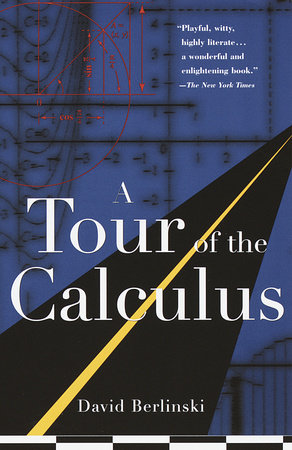
A Tour of the Calculus, David Berlinski (ISBN 978-0-679-74788-8, Vintage Books)
A Tour of the Calculus is a strange and unique book. According to text on the back it is likely to become a classic as Gödel, Escher, Bach. But I doubt that very much. The book was written in 1995 and so far I haven’t come across it in any list of classics. I also…
-
-
-
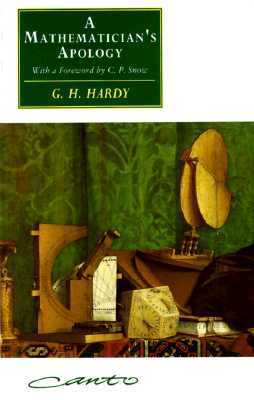
A Mathematician’s Apology, G. H. Hardy (ISBN 978-938831814-3, Hawk Press)
Read this short and apparently well known book from early twentieth century. I came across a reference to it in another book recently although I don’t recall where. Anyway, the book kind of tries to justify being a pure mathematician. With the focus on pure mathematics utility is discarded as a possible justification by Hardy…
-
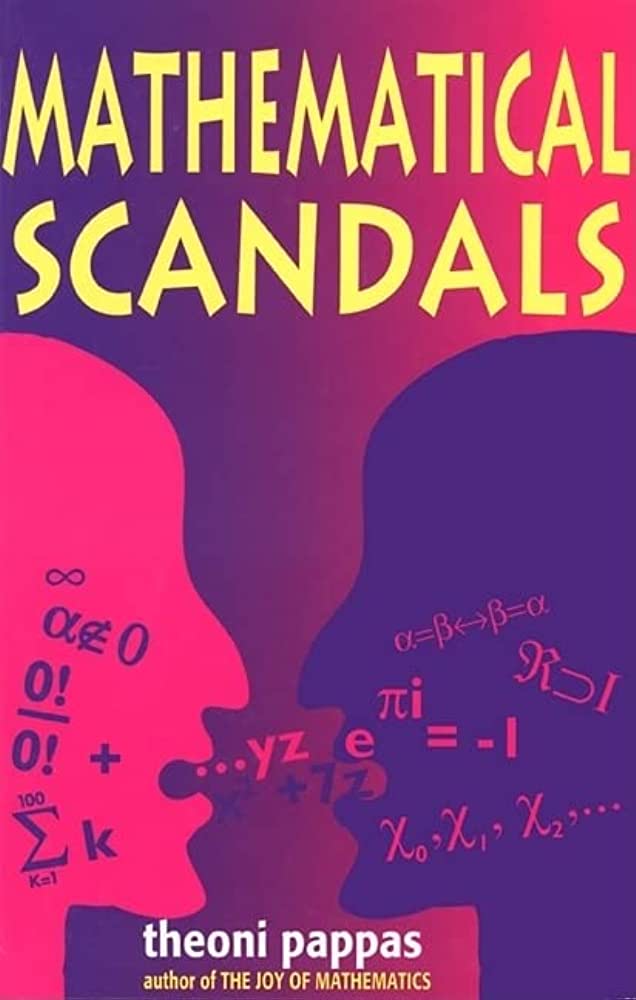
Mathematical Scandals
Short little book by an American math teacher for people (teenagers) who think mathematics is dull. The idea is to do this by bringing the human side of mathematicians to the forefront. 21 mathematicians are covered in 136 pages. Each chapter starts with a fictitious dialogue to outline the ‘scandal’. If you are interested in…
-
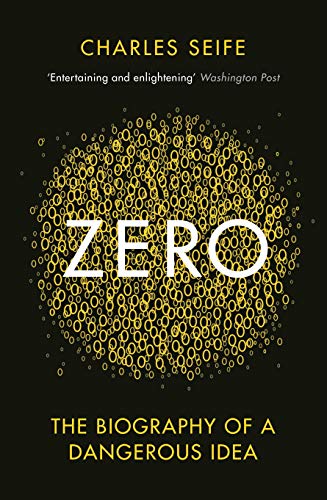
Zero. The biography of a dangerous idea, Charles Seife (ISBN 978-0285635944, Souvenir Press Ltd)
A little book from 2000 about the history of the number zero and the linked concepts of void and infinity. It explains how Greek philosophy struggled with the void and the concept of zero and how then later on prevailing Aristotelian philosophy in the Middle Ages in Europe retarded in the introduction and use of…
-
Divine numbers
God made integers, all the rest is the work of man.’― Leopold Kronecker
-
The Abacus
The abacus has been around since ancient times and apparently is still used in some places. The abacus was once widely used and is known as soroban in Japan, suan pan in China, schoty in Russia, coulba in Turkey and choreb in Armenia for example. Maybe it would be fun to introduce them again into…
-
The Birth of Zero
‘In the history of culture the discovery of zero will always stand out as one of the greatest single achievements of the human race.’― Tobias Danzig, Number: The Language of Science
 Response 418