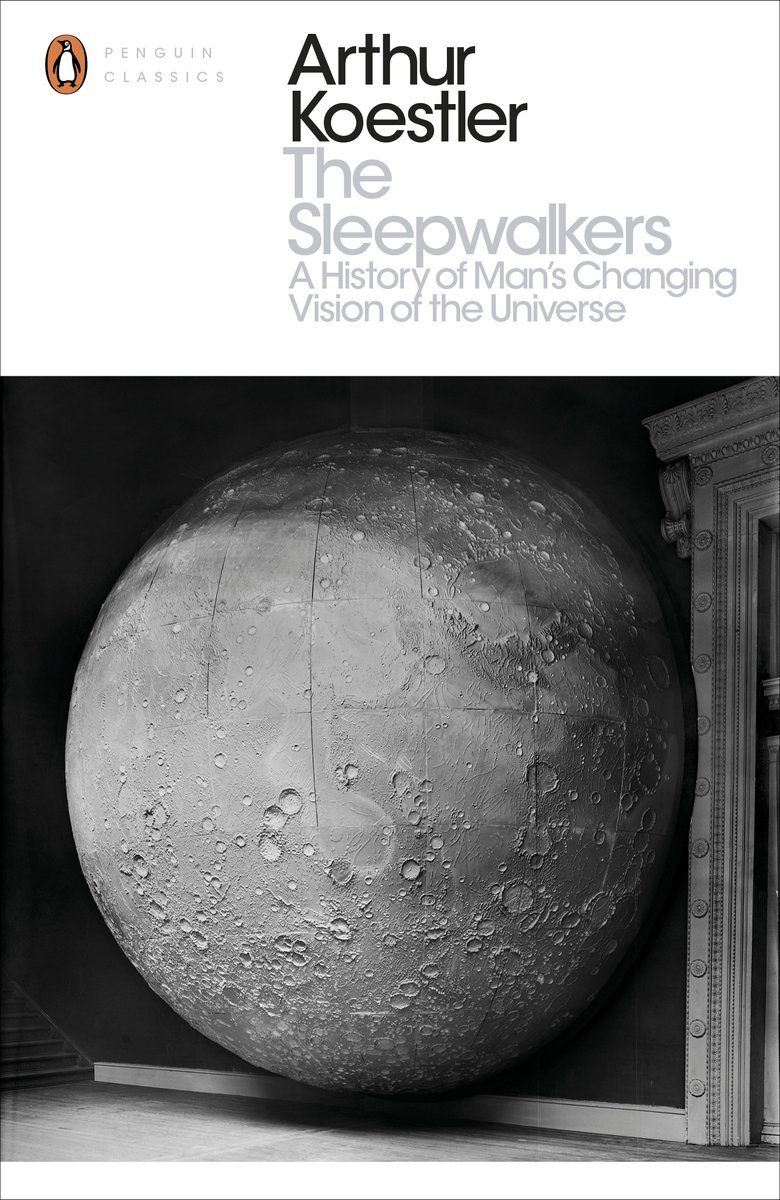
 I read about this book in another one about the effort to send people to Mars. I wrote a short post about that book earlier. This book is a mix of history a of science and an analysis of the scientific method. From the latter perspective it presents an alternative to the well known Structure of Scientific Revolutions by Thomas Kuhn. The book covers the history of cosmology from the Babylonians through to Newton. He makes the case many of the scientific discoveries were stumbled upon by chance despite strong emotions and beliefs of the main contributors contrary to the discoveries they made in the end. The book focuses on 3 main protagonists: Copernicus, Kepler and Galileo and shows how they struggled with trying to fit the data to their often mystically inspired beliefs of what the model of our solar system should be. Many complicated constructions were invented since the ancient Greeks to try and make the data fit to how the heavens should behave with the planets following epicycle upon epicycle just to make things match more or less with the idea that the heavenly bodies should move on divine circles only. This adherence to the idea that the planets move on circular paths continued until Newton and even Kepler tried to cling to it until finally, after decades he accepted that the planets move on eliptical orbits. Galileo on the other hand never seems to have given up on the ideal circular orbits. The book is well written and has a literary quality to it. It gives deeper insights into the genesis our view of the solar system and describes at length how painful it was to come to it, mainly because it was against a long held divine belief to which everyone was emotionally attached. It is striking for example that the heliocentric model was already proposed by the ancient Greeks and still known in the middle ages by many scholars. The book also covers the circumstances that lead to the trial of Galileo and contradicts the common belief nowadays that the church was vehemently against the heliocentric model. This is an excellent and excellently written book about an important period in the history of western science that debunks the myth that science is a rational and linear process devoid of emotions.
The Sleepwalkers, Arthur Koestler (ISBN 978-0-141-39453-4, Penguin Classics)
 Response 418
Leave a comment